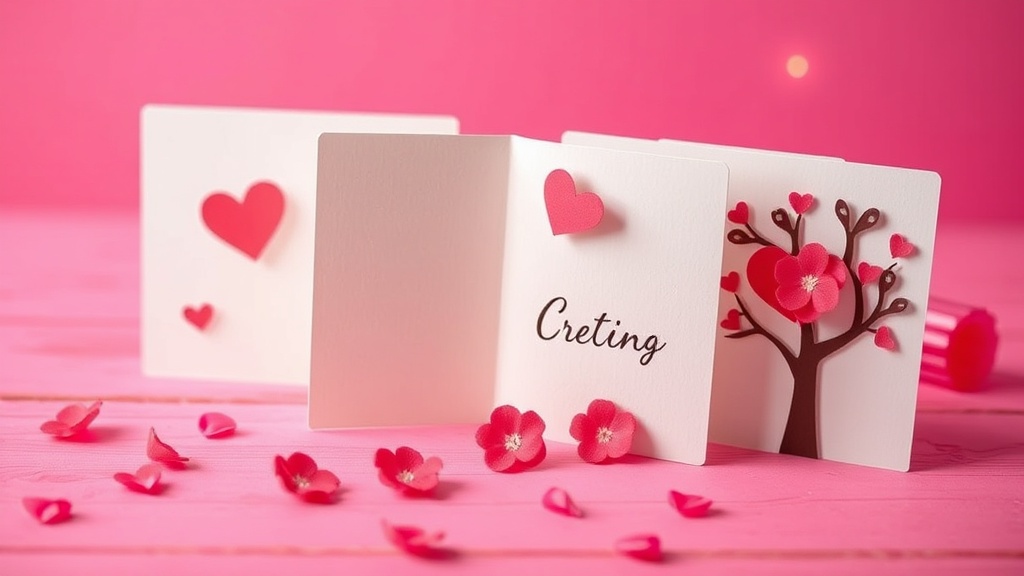
10 Creative DIY Paper Crafts to Make Personalized Greeting Cards

Making greeting cards by hand transforms a simple note into a memorable keepsake. This guide covers ten creative paper craft techniques that anyone can use to create personalized cards for birthdays, holidays, and special occasions. Whether you're a beginner with basic scissors or someone with a well-stocked craft room, these projects require minimal supplies and deliver impressive results.
What Supplies Do You Need for DIY Paper Crafts?
Most paper card projects require only a handful of affordable tools. Cardstock serves as the foundation—choose 65 lb to 110 lb weight for sturdy results that stand up on display. A quality paper trimmer (the Cricut Portable Trimmer works well) ensures clean edges, while double-sided adhesive tape and foam squares add dimension. Patterned scrapbook paper, washi tape, and a few embossing tools round out the basics.
Worth noting: expensive equipment isn't necessary. A bone folder ($5-8 at craft stores) creates crisp creases better than any expensive gadget. Start with the fundamentals and expand based on specific techniques that catch your interest.
| Supply | Purpose | Recommended Product | Price Range |
|---|---|---|---|
| Cardstock | Card base and layers | Neenah Classic Crest Solar White | $15-20 for 250 sheets |
| Adhesive | Assembly and dimension | Scor-Tape 1/4 inch | $8-12 per roll |
| Scissors | Cutting and detail work | Cutter Bee Precision Scissors | $10-15 |
| Embossing folder | Texture and pattern | Darice Geometric Assortment | $12-18 for 4-pack |
| Stamps/Ink | Sentiments and images | Altenew Crisp Ink Pads | $6-8 each |
How Do You Make a Pop-Up Card That Actually Works?
Pop-up cards create dramatic moments when opened, and the mechanism is simpler than most people assume. The key technique involves parallel folds—two identical cuts in the card's center fold that create a platform when pushed inward.
Start with a standard A2 card base (5.5 x 4.25 inches folded). Mark two parallel lines perpendicular to the center fold, each about 1 inch long and 0.5 inches apart. Cut along these lines, then push the resulting strip toward the inside of the card. This creates your pop-up mechanism.
Attach a die-cut element—perhaps a birthday cake, heart, or seasonal image—to this platform. The trick? Keep decorations lightweight. Heavy embellishments pull the mechanism flat. Test the pop action before adding decorative layers. Martha Stewart's paper engineering tutorials offer excellent visual guidance for more complex mechanisms like V-folds and floating layers.
Pro Tips for Pop-Up Success
- Score all fold lines with a bone folder before cutting—this prevents cracking
- Keep the pop-up element centered; off-center weights cause cards to lean
- Decorate the "floor" behind the pop-up with subtle patterns so empty space looks intentional
- Always close the card gently after adding elements to ensure nothing catches
What's the Best Way to Use Watercolor in Card Making?
Watercolor adds organic, unpredictable beauty that manufactured patterns can't replicate. The wet-on-wet technique creates soft backgrounds, while dry brush methods add texture and detail. For cards, use watercolor paper (140 lb cold press) cut slightly smaller than your card base—this prevents warping from transferring to the finished piece.
Create a soft wash background by taping the watercolor paper to a board, wetting the entire surface with clean water, then dropping diluted pigment in complementary colors. Let colors blend naturally—don't overwork them. Once dry, stamp a sentiment in waterproof ink (Versafine Onyx Black resists bleeding) and adhere to your card base.
For a more controlled approach, try the "smooshing" technique: apply ink to an acrylic block, mist with water, then press onto cardstock. This creates abstract, marbled patterns perfect for masculine cards where flowers and butterflies don't quite fit. Jennifer McGuire's blog demonstrates dozens of watercolor variations specifically designed for card makers.
Can You Make Professional Cards Without Stamps or Dies?
Absolutely. Some of the most striking cards rely on paper alone—no stamps, no dies, no fancy machines. The secret lies in understanding paper manipulation techniques that create visual interest through texture and dimension.
Quilling transforms thin paper strips into intricate designs. Roll a 1/8-inch strip around a toothpick, allow it to expand slightly, then glue the end. Pinch one side for a teardrop shape, both sides for a marquise, or leave it round. Arrange multiple shapes into flowers, snowflakes, or monogram letters. A quilled card takes time—plan 45-60 minutes—but the handmade quality is unmistakable.
Paper weaving offers another stamp-free option. Cut two contrasting papers into 1/2-inch strips. Weave them together in a simple over-under pattern, secure the edges with washi tape on the back, then trim to size. This creates custom patterned paper with actual texture you can feel.
Here's the thing about going stamp-free: imperfections become features. Slight irregularities in hand-cut elements signal "human-made" in ways that resonate with recipients. Machine-perfect cards can feel cold; hand-torn edges and slightly crooked lines add warmth.
How Do You Add Dimension Without Bulk?
Layered cards risk becoming too thick for standard envelopes—yet flat cards lack visual impact. The solution lies in strategic dimension using specific materials and placement.
Foam adhesive squares (often called "dimensionals" or "pop dots") create 1/16 to 1/8 inch lift—enough to catch light and cast subtle shadows without adding envelope-busting bulk. Apply them only to focal points: a die-cut flower, a sentiment banner, a small charm. Covering an entire layer in foam tape adds unnecessary thickness and cost.
The "faux dimension" technique creates depth through optical illusion. Stamp the same image three times, color identically, then cut progressively smaller sections. Layer these with thin adhesive, aligning carefully—this builds visual depth while keeping the profile nearly flat.
Worth noting: dimension placement affects how cards photograph. If you share work on social media or sell at craft fairs, position dimensional elements where they'll catch light from typical viewing angles. A card that looks flat in photos—no matter how textured in person—won't sell or inspire.
What Are Some Quick Techniques for Last-Minute Cards?
Not every card warrants hours of labor. These three techniques deliver impressive results in under 15 minutes:
- Ink blending backgrounds: Apply three coordinating ink colors to white cardstock using foam blending tools. Darker at edges, lighter in center—this creates instant atmosphere. Add a die-cut sentiment and you're done.
- Washi tape strips: Layer parallel strips of decorative tape across a card front. Trim edges, add a punched greeting, and mount on a colored card base. The tape patterns do the heavy lifting.
- Monochromatic stamping: Use one ink color and one stamp set. Stamp images in full strength, then stamp again without re-inking for lighter "shadow" impressions. This creates sophisticated depth with minimal supplies.
The catch? Speed requires preparation. Keep a "card kit" pre-assembled: pre-cut card bases, a selection of washi tapes, and a few versatile stamp sets. Hunting for supplies consumes more time than actual crafting.
How Can Beginners Avoid Common Card Making Mistakes?
New card makers often sabotage their work before starting through preventable errors. Understanding these pitfalls saves frustration and wasted materials.
First: adhesive placement. Nothing ruins a clean design like glue squishing from edges or tape visible through vellum. Apply adhesive only where it will be completely covered—place it on the back of top layers, never on the card base where placement must be precise.
Second: ignoring the "rule of thirds." Placing focal points dead-center creates static, boring compositions. Position main elements slightly off-center, using the grid lines photographers learn. An asymmetrical card draws the eye and feels more dynamic.
Third: working too small. Beginners often choose tiny stamps and dies, thinking detail equals sophistication. The opposite proves true—larger, simpler designs read better from a distance and photograph more impressively. A single large sentiment often outperforms a cluttered collage.
That said, rules exist to be broken. Once you understand why these guidelines work, intentional violations become style choices rather than accidents.
Where Can You Find Inspiration for Card Designs?
Creative blocks strike every maker. When staring at blank cardstock produces anxiety rather than excitement, turn to structured sources.
Pinterest offers endless visual inspiration—but use it strategically. Search for color palettes rather than finished cards. A bedroom interior with sage walls and rust accents becomes a card color scheme. This prevents unconscious copying and develops original style.
Challenge blogs provide constraints that paradoxically free creativity. Sites like Simon Says Stamp Monday Challenge offer weekly themes—"transportation," "shabby chic," "geometric"—with example cards from design teams. Working within constraints often produces better results than absolute freedom.
Nature remains the ultimate design source. Study leaf veins for border patterns, observe how shadows create depth on flowers, notice how bird feathers layer. The best card designs translate natural observations into paper equivalents.
"The card you make with your own hands carries emotional weight that store-bought cards never achieve. Recipients keep handmade cards for years—displayed on refrigerators, tucked into mirrors, stored in memory boxes."
Making cards by hand develops skills that transfer to other crafts—color theory, composition, tool handling. More importantly, the practice creates tangible connections in an increasingly digital world. Each card sent becomes a small act of presence, proof that someone spent time thinking specifically of the recipient.
Start with one technique from this guide. Master it through repetition—make five cards using the same method before moving to the next. Proficiency builds confidence, and confidence unlocks creativity. The cards waiting in your future will carry both skill and intention.