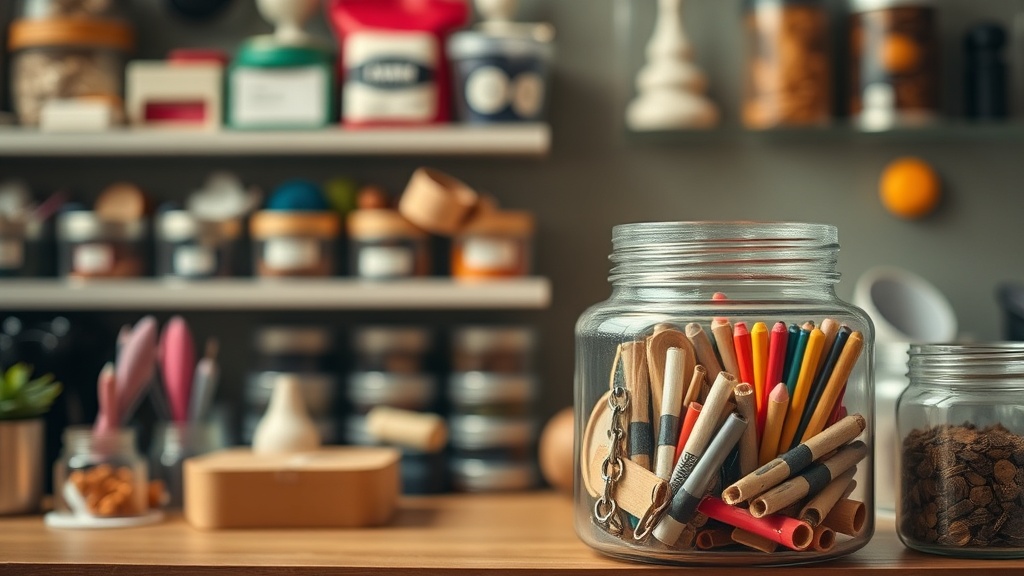
Beyond the Bin: Intelligent Storage for Your Crafting Micro-Collections

Imagine the scene: you're in the flow, deep into a creative project, and you need that one specific, perfectly shaped button or the exact shade of embroidery floss to complete your vision. You reach for your supply drawer, only to plunge your hand into a chaotic tangle of mixed-up beads, loose threads, and forgotten charms. The frustration builds as precious minutes, perhaps even half an hour, tick by in a fruitless search. This all-too-common scenario—the relentless hunt for small, easily lost craft supplies—is a universal challenge for creators of all stripes. This post isn't just about tidying; it’s about transforming those cluttered corners into efficient, inspiring workspaces. We’ll explore why these tiny treasures create such disproportionate disarray and how thoughtful organization can unlock greater joy and productivity in your creative pursuits, making every crafting session smoother and more satisfying.
Why Does My Craft Space Always Feel Cluttered?
It’s a curious paradox: the smaller the item, it seems, the greater its potential for creating visual chaos. Buttons, beads, sequins, embroidery floss, jewelry findings, even small tools like precision scissors or specialty needles—they’re all diminutive, yet they possess an uncanny ability to spread, multiply, and disappear into the general melee of a craft space. Part of the problem lies in their very nature: they accumulate easily, often coming in bulk or as part of a kit, leading to an immediate overflow once separated from their original packaging. Each new project brings a fresh batch of components, and without a dedicated home, these items quickly become nomadic, scattering across surfaces and burying themselves within larger containers.
Beyond that, the sheer diversity of these micro-collections adds to the organizational headache. One crafter might have dozens of unique buttons, while another collects an array of glass beads in every conceivable color and size. These aren’t interchangeable items; each has a specific purpose, color, or texture that makes it distinct. This diversity demands a nuanced approach to storage, one that allows for both categorization and easy retrieval. The “out of sight, out of mind” phenomenon also plays a significant role in perpetual clutter. When smaller items are simply tossed into a drawer or a large bin, they become invisible. You might already own the perfect item, but if you can’t see it or find it quickly, you’re more likely to re-buy it—compounding the problem with even more duplicates and added clutter.
The visual noise generated by a disorganized collection of small items can also be surprisingly draining. A cluttered space translates to a cluttered mind, making it harder to focus, to find inspiration, or even to start a new project. It’s not just about aesthetics; it’s about mental bandwidth. Every time your eye lands on a pile of disorganized supplies, your brain registers a small task, a bit of unfinished business, chipping away at your creative energy. Addressing this isn't just about neatness; it's about reclaiming mental space for what truly matters: making.
What Are the Best Solutions for Storing Small Craft Supplies?
The key to conquering tiny treasures is a multi-pronged approach that prioritizes visibility, accessibility, and efficient use of space. Before investing in any storage solutions, the first — and perhaps most vital — step is thorough categorization. Don't just sort by general type; get granular. Group all your beads together, then separate them by color, material, or size. Do the same for buttons, threads, and embellishments. This initial sorting will reveal exactly what you have and how much space each category truly needs.
Clear, Compartmentalized Containers Are Your Allies
For items like beads, jewelry findings, and small buttons, clear, multi-compartment organizers are invaluable. Think tackle boxes (often found in fishing or hardware stores), dedicated bead storage containers with adjustable dividers, or even segmented plastic drawer inserts. The transparency allows you to see exactly what’s inside at a glance, eliminating the need to open every box. Stackable drawers with clear fronts are another excellent option, especially for slightly larger but still small items like spools of thread, washi tape, or stamp sets. These maximize vertical space while keeping contents visible and dust-free. Look for units designed for office supplies or hardware organization—they often translate beautifully into craft room utility.
Harness the Power of Vertical Space
Walls are often an underutilized asset in many craft spaces. Pegboards are a classic for a reason: they’re endlessly customizable. With various hooks, shelves, and bins, you can display and store a surprising amount of small supplies vertically. Hang spools of ribbon, small tools, or baskets filled with fabric scraps. Wall-mounted spice racks, originally designed for kitchen jars, can be fantastic for storing small pots of glitter, tiny paint bottles, or even sorted buttons in clear jars. Even clear shoe organizers hung on the back of a door can hold bundles of yarn, fabric quarters, or larger packets of embellishments.
Creative Repurposing for the Tiniest Bits
Don’t overlook common household items for ingenious storage solutions. Empty Altoids tins are perfect for housing needle collections, stitch markers, or a small assortment of specialized beads. Empty Tic-Tac containers can hold minuscule sequins or seed beads. Weekly pill organizers—those with daily compartments—are surprisingly effective for organizing small amounts of different beads, charms, or even eyelets, allowing for easy access to a specific color or type for a current project. Small glass jars with lids (like baby food jars or spice jars) are also great for visible, dust-proof storage of larger quantities of uniform items. Remember, the goal is containment and visibility, so always choose options that allow you to quickly identify contents.
The Non-Negotiable: Label Everything
Even with clear containers, labeling is a game-changer. For opaque drawers or boxes, it's absolutely critical. Use a label maker, neatly handwritten tags, or even printed labels that include a small swatch of the item’s color or texture. Labels should be clear, concise, and consistent. Instead of “buttons,” specify “Vintage Wood Buttons – Small” or “Pearlized Buttons – 1/2 inch.” This extra step saves immense time and mental effort in the long run, ensuring you always know where everything lives. For more ideas on practical organizing solutions, explore resources like