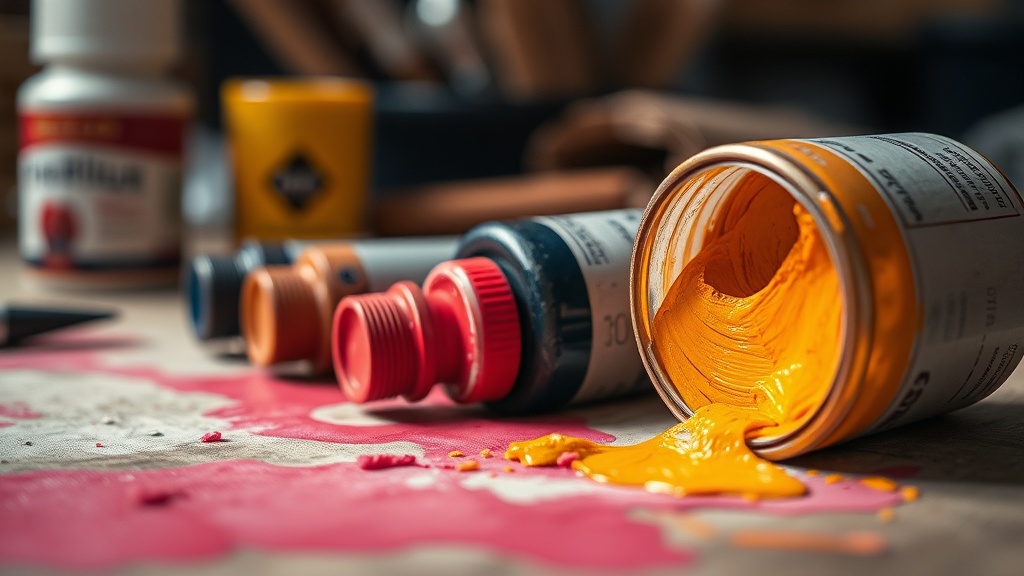
Fixing Dried Out Acrylic Paints with Ease

Quick Tip
Add a tiny drop of water or acrylic medium to a tube to loosen the pigment and restore flow.
You open your heavy metal palette only to find that your favorite shade of ultramarine has turned into a hard, crusty puck. It’s a frustrating moment, especially when you're in the middle of a project. This guide shows you how to revive dried-out acrylic paints using simple additives to restore their texture and flow without ruining the pigment quality.
Can You Fix Dried Acrylic Paint?
Yes, you can often revive slightly dried acrylic paint by adding a small amount of water or a professional acrylic medium. If the paint has completely hardened into a solid mass, it's likely a lost cause. However, if it's just thick, tacky, or "clumpy," a few drops of liquid can make it usable again.
The key is knowing what to add. Using too much water can actually break down the binder in the paint, leaving you with a weak, chalky finish once it dries. (I've made this mistake more than once—don't be that person.)
Here is a quick breakdown of common additives and what they do to your paint:
| Additive | Best For... | Effect on Paint |
|---|---|---|
| Distilled Water | General thinning | Reduces viscosity but can weaken the binder. |
| Acrylic Glaze | Transparency & Flow | Keeps the paint smooth and adds a glossy finish. |
| Flow Improver | Detail Work | Increases liquid flow without changing the color. |
How Much Water Should You Add to Acrylics?
You should only add water in tiny, incremental amounts—usually a few drops at a time—to avoid compromising the paint's structural integrity. If you add too much, the pigment won't stick to your surface properly. For heavy-body paints like Liquitex Heavy Body Acrylics, you want to maintain some thickness.
If you're working with a more delicate medium, like when working with acrylic-based dyes or thin washes, you can be a bit more generous. But for standard heavy-body tubes, stick to professional-grade mediums whenever possible. It's worth the extra couple of dollars to ensure your art actually lasts.
What Is the Best Way to Store Acrylic Paint?
The best way to prevent drying is to store your tubes upright in a cool, dark place and ensure the caps are tightened firmly after every use. Airtight storage is your best friend here. If you find yourself constantly fighting dried-out supplies, you might want to look into organizing your craft supplies to keep them in better condition.
A few quick tips for long-term maintenance:
- Clean your palette: Never leave wet paint on a palette overnight.
- Check the seal: If a tube looks deflated, it's already losing air.
- Use a Stay-Wet Palette: This is a lifesaver for acrylic users.
If the paint feels gritty or has a "skin" on top, try removing that layer first. If the skin is stuck to the bottom of the tube, you might be out of luck. But for most minor cases, a little patience and a drop of medium will do the trick.