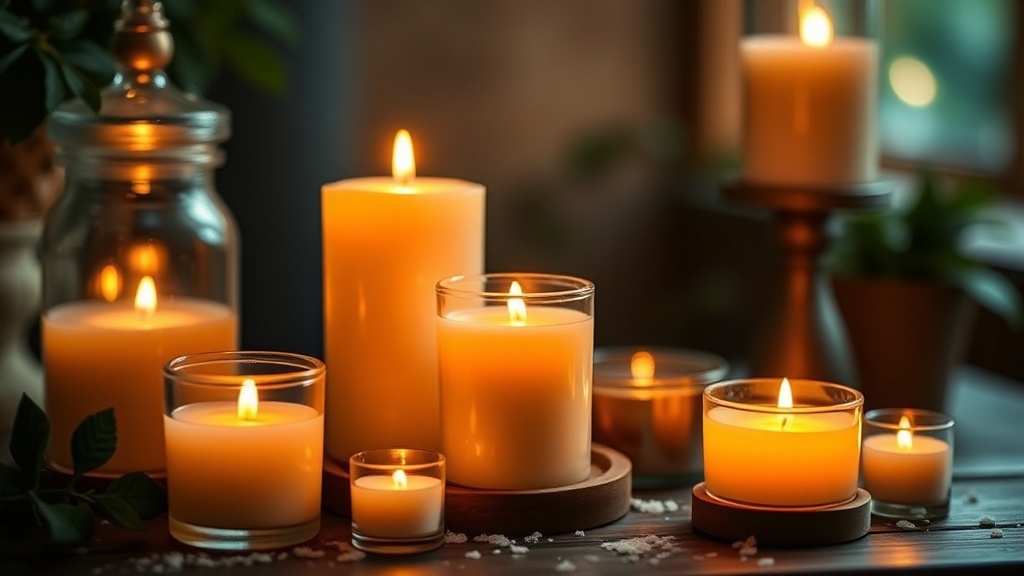
How to Make Soy Candles at Home: A Complete Beginner's Guide

This guide covers every step of making professional-quality soy candles at home — from selecting the right wax and wicks to troubleshooting common problems like sinkholes and poor scent throw. Whether you're looking to start a side business, craft handmade gifts, or simply enjoy a new hobby, soy candle making offers an accessible entry point into the world of artisan crafts. You'll learn which supplies actually matter (and which ones you can skip), how to calculate precise fragrance loads, and the techniques that separate amateur results from candles that look and smell like they came from a boutique shop.
What Supplies Do You Need to Make Soy Candles?
You'll need soy wax, wicks, fragrance oils, containers, a pouring pot, a thermometer, and a heat source. Here's the thing — the quality of these materials matters far more than fancy equipment.
Start with Golden Brands 464 soy wax. It's a container blend specifically designed for jar candles, offers excellent scent throw, and has a beautiful creamy appearance once set. Avoid grocery store wax pellets — they're often blended with additives that affect burn quality.
For wicks, CD (Stabilo) wicks work well with soy wax and come in various sizes. The right wick size depends on your container diameter — too small and the candle tunnels; too large and it smokes. A 3-inch jar typically needs a CD-10, while a 4-inch container requires a CD-14 or CD-16.
Fragrance oils specifically formulated for candle making outperform essential oils. Brands like CandleScience, Keystone Candle Supply, and The Flaming Candle offer tested, skin-safe options that bind properly with soy wax. Essential oils often fade quickly or don't throw well — pretty, but impractical for actual use.
Container choice affects everything. Mason jars work (and look charmingly rustic), but Anchor Hocking straight-sided jelly jars or Libbey status jars offer cleaner lines for gifting. Metal tins travel well — great for candles you plan to sell at markets. Avoid anything with a narrow neck — they trap heat and create safety hazards.
Basic Equipment Checklist
- Double boiler or dedicated Pourty pouring pot (aluminum, 4-pound capacity)
- Digital thermometer (candy/deep fry style — needs to read up to 250°F)
- Digital scale (measures in grams, 0.1g precision)
- Stirring utensils (silicone spatulas or wooden spoons)
- Wick centering devices or clothespins
- Heat gun or hair dryer (for fixing surface imperfections)
- Adhesive wick stickers or hot glue gun
That said, don't overthink the setup. A $20 pouring pot from Amazon and a basic kitchen scale get you started. Upgrade later — if the candle making bug bites.
How Much Fragrance Oil Should You Add to Soy Candles?
Add 6-10% fragrance load by weight — meaning 6-10 grams of oil per 100 grams of wax. The catch? Different waxes have different maximum loads, and more isn't always better.
Golden Brands 464 handles up to 10% beautifully. Push to 12% and you'll likely get seeping oil (called "sweating") or poor burn performance. Start with 8% — it's the sweet spot for strong scent throw without complications.
Calculating correctly matters. For an 8-ounce candle (roughly 200g of wax), 8% fragrance means 16 grams of oil. Weigh everything — volume measurements (teaspoons, tablespoons) create inconsistent results. A digital scale eliminates guesswork.
Fragrance oils have different specific gravities. A floral oil weighs less than a vanilla oil by volume. Weighing ensures accuracy regardless of oil type.
Fragrance Load Comparison Table
| Fragrance Load | Wax Weight | Fragrance Weight | Best For |
|---|---|---|---|
| 6% | 200g | 12g | Subtle scents, sensitive noses, testing |
| 8% | 200g | 16g | Standard candles, most fragrances, beginners |
| 10% | 200g | 20g | Maximum throw, heavy scents like vanilla, sandalwood |
Worth noting: add fragrance at the correct temperature — usually 185°F for soy wax. Too hot and oils evaporate; too cool and they won't bind properly. Stir gently for 1-2 minutes, then let the wax cool to pouring temperature (typically 135-140°F for 464 wax).
Some fragrances contain vanilla — they discolor over time (turning yellow or tan). This doesn't affect performance, but it does affect aesthetics. CandleScience's Vanilla Color Stabilizer helps, though it won't prevent browning indefinitely.
What Temperature Do You Pour Soy Candles At?
Pour soy wax at 135-140°F for smooth tops and proper adhesion. The temperature dramatically affects final appearance — pour too hot and you'll get sinkholes; too cool and you'll have lumps or poor glass adhesion.
Here's the process that works: melt wax to 185°F, add fragrance, stir thoroughly, then let it cool. Patience matters here. Walking away for 20-30 minutes beats hovering — the wax cools unevenly if you stir constantly.
Preheat containers slightly (to roughly 100°F) using a heat gun or by placing them in a warm oven. Cold glass creates wet spots — areas where wax pulls away from the container walls. They don't affect burning, but they look amateur.
When pouring, fill to your desired level in one steady motion. Don't top off later — that creates visible lines. If the surface looks uneven after setting, use a heat gun on low to gently remelt just the top layer. Works like magic.
Step-by-Step Process
- Measure wax by weight — plan for approximately 1.5 times your container's fluid ounce capacity in wax weight (an 8oz jar needs roughly 6.5oz of wax)
- Melt wax to 185°F in a double boiler setup
- Remove from heat, add fragrance at 185°F, stir for 2 minutes
- Let cool to 135-140°F — this takes 20-45 minutes depending on batch size
- Secure wick to container bottom using adhesive or hot glue
- Pour slowly, leaving 1/2 inch of headspace
- Center wick using a wick bar or clothespin
- Let cure for 24-48 hours before burning
Curing matters more than most beginners realize. Soy candles need 1-2 weeks to fully cure — the crystalline structure continues developing, improving scent throw and burn quality. Burn a candle made yesterday and it'll seem weak. Wait a week. Different animal entirely.
Why Do Soy Candles Get Sinkholes and How Do You Fix Them?
Sinkholes happen because wax contracts as it cools — creating air pockets and craters, especially around the wick. They're incredibly common and completely fixable.
The main culprit? Pouring too hot. When wax hits cooler air, the top layer solidifies first while the interior remains liquid. As that interior wax finally cools and shrinks, it pulls downward — hello, hole.
Prevention works better than correction. Pour at the recommended temperature. Don't move containers while they're setting — vibration encourages sinkholes. And avoid pouring in cold rooms — 70-75°F ambient temperature helps enormously.
When sinkholes appear (and they will, occasionally), grab that heat gun. Warm the surface until it melts, let it resettle, then cool again. Some makers do a "repour" — save a bit of wax from the original batch, remelt it, and fill the hole. Both methods work.
Common Problems and Solutions
- Frosting — White crystalline patterns on the surface. Completely normal for soy, actually indicates pure soy content. Wipe with a cloth or use a heat gun to minimize appearance.
- Wet spots — Areas where wax pulls from glass. Preheat containers, pour at correct temperature, avoid cooling too quickly.
- Tunneling — Wick too small or initial burn too short. The first burn should last 1 hour per inch of container diameter to establish a full melt pool.
- Weak scent throw — Usually insufficient fragrance load, poor quality oils, or not enough curing time. Check all three.
- Mushrooming wick — Wick too large or high fragrance load. Trim wick to 1/4 inch before each burn.
For detailed troubleshooting guides, CandleScience's troubleshooting resource covers advanced techniques. The National Candle Association also provides safety standards and best practices worth reviewing before selling your creations.
How Long Should Soy Candles Cure Before Burning or Selling?
Soy candles need minimum 24-48 hours to set before burning, but 1-2 weeks of curing produces significantly better results. Here's why: the molecular structure of soy wax continues organizing itself during that time. A properly cured candle throws scent farther, burns more evenly, and lasts longer.
Testing patience pays off. Make a batch, wait two days, burn one. Make the same batch, wait two weeks, burn another. The difference is night and day — customers notice (even if they can't articulate why).
Storage during curing matters too. Keep candles away from direct sunlight — UV degrades fragrance oils. Cool, dark spaces work best. Don't stack containers until fully cooled and set (minimum 24 hours) to avoid marring the surface.
If selling candles, cure time becomes inventory management. You can't make candles to order — you need a rolling stock of cured inventory. Plan accordingly. Most successful home candle makers work 2-4 weeks ahead of demand.
Labeling and Safety Requirements
Handmade candles for sale require proper labeling — it's not optional, it's federal regulation. Every candle needs:
- Manufacturer name and address (that's you)
- Net weight in ounces and grams
- Burning instructions (including "burn within sight")
- Warning label with fire safety information
CandleScience offers free label templates that meet regulatory requirements. Print on weatherproof labels — regular paper smears and looks terrible after handling.
That said, don't let regulations intimidate you. They're straightforward once understood. One afternoon of research saves headaches later. Insurance matters too — most homeowner policies don't cover business activities. A simple rider or dedicated craft business policy (through ACT Insurance or similar) costs less than you think.
Starting with simple container candles builds skills before attempting pillars, votives, or advanced techniques. Master the basics — proper wicking, temperature control, fragrance blending. The rest follows naturally. Happy pouring.
Steps
- 1
Gather Your Supplies and Prepare Your Workspace
- 2
Melt the Soy Wax and Add Fragrance Oils
- 3
Pour the Wax and Let Your Candles Cure