How to Organize Your Craft Supplies Like a Pro: A Complete Guide

Disorganized craft supplies waste time and money—supplies go missing, projects stall, and duplicate purchases pile up. This guide covers practical storage solutions, room-by-room strategies, and budget-friendly organization systems for crafters working in small apartments, dedicated studios, or shared spaces. Whether the goal is taming a yarn stash, sorting beads, or creating a portable craft caddy, these methods work.
What's the Best Way to Store Craft Supplies?
The best storage system keeps supplies visible, accessible, and protected from dust and damage. Clear containers beat opaque boxes every time—when supplies stay hidden, they stay forgotten. Here's the thing: organization isn't about buying expensive furniture; it's about matching storage to how supplies get used.
Start with a purge. Sort everything into three piles: keep, donate, and toss. Be ruthless with dried-out markers, half-empty glue bottles, and that ribbon collection from 2015. Once the clutter's gone, categorize what remains by type (paper, fabric, tools), project (scrapbooking, sewing, jewelry), or frequency of use. Most crafters find that type-based sorting works best for general supplies, while project-based bins help with works-in-progress.
Clear plastic storage dominates the craft world for good reason. The IRIS USA Craft Keeper line offers stackable, latching containers in various sizes. For paper crafters, the Sterilite 66-Qt Storage Box fits 12x12 scrapbook paper perfectly—no bending, no curling. The Sterilite Clip Box series works well for smaller items like washi tape, stickers, and embellishments.
Vertical Storage Solutions
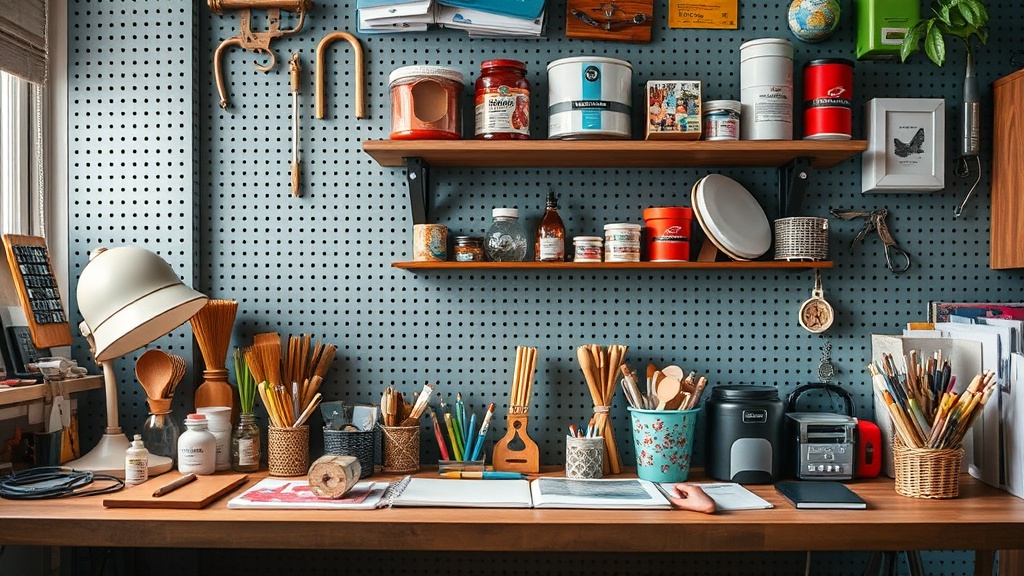
Small spaces demand vertical thinking. Wall-mounted pegboards—particularly the Elfa Utility Board from The Container Store—transform blank walls into functional storage. Hooks hold scissors, rulers, and rotary cutters. Baskets corral fabric scraps and ribbon spools. The catch? Pegboards need regular tidying or they become visual clutter.
Over-door organizers aren't just for shoes. The Honey-Can-Do Over-the-Door Craft Organizer features clear pockets in varying sizes—perfect for paint tubes, glue sticks, and small tools. Mount one on a closet door, the back of a craft room entry, or even inside a cabinet.
How Do You Organize a Small Craft Space?
Tight spaces require multi-functional furniture and ruthless editing. The goal isn't fitting everything—it's fitting what matters. That said, even a closet or corner can become a functional craft zone with the right approach.
The IKEA ALEX drawer unit serves as the backbone of countless small craft setups. Five or nine drawers hold surprising amounts of supplies, and the flat top doubles as workspace. Pair it with a LINNMON tabletop for an affordable desk that doesn't scream "craft room."
Mobile storage changes everything in tight quarters. The Recollections Rolling Cart from Michaels moves supplies where needed—closet to kitchen table, bedroom to living room. Three tiers hold tools, current projects, and frequently-used materials. When crafting's done, the cart rolls away.
| Storage Solution | Best For | Price Range | Space Required |
|---|---|---|---|
| IRIS USA Craft Keeper | General supplies, stacks vertically | $15-$40 | Shelf or closet floor |
| ALEX Drawer Unit | Paper, tools, small items | $90-$120 | 14" deep, 27" wide |
| Recollections Rolling Cart | Portable project storage | $50-$80 | Fits under most tables |
| Elfa Pegboard System | Tools, visible access | $75-$200 | Wall space only |
| Clear Shoe Boxes (Sterilite) | Small items, beads, findings | $2-$4 each | Shelf stacking |
Under-bed storage solves problems for apartment dwellers. Flat bins with wheels slide beneath bed frames, hiding seasonal supplies and backup stock. The Sterilite Ultra Clear Underbed Box measures just 6.5 inches tall—low enough for most bed frames.
Workspace Essentials
Every craft space needs three zones: creation, storage, and finishing. The creation zone needs good lighting—daylight LED bulbs (5000K-6500K) reduce eye strain and show true colors. The Daylight Company lamps (available at Joann and Amazon) deliver consistent, shadow-free illumination.
Storage zones stay neater with drawer dividers. Adjustable bamboo dividers from The Container Store customize to fit any drawer width. For deeper drawers, the IKEA KUGGIS insert creates eight compartments perfect for stamps, ink pads, and small tools.
How Do You Keep Craft Supplies from Getting Dusty?
Closed storage beats open shelving for dust protection. Bookshelves with doors, cabinets with drawers, or bins with tight-fitting lids keep supplies clean between projects. Worth noting: fabric—yarn, felt, and quilting cotton—attracts dust and odors more than paper or plastic supplies.
Sealed containers matter most for sensitive materials. Photos, specialty papers, and fabric need airtight protection. The Snapware Airtight Food Storage containers work surprisingly well for craft supplies—clear sides show contents, and the gasket seal keeps moisture and dust out. For yarn stashes, zippered project bags (the Bagsmith project totes are a cult favorite among knitters) protect individual skeins while keeping them visible.
Climate control extends supply life. Heat degrades adhesives. Humidity warps paper and swells wood. Direct sunlight fades fabric and photos. Store supplies away from windows, heating vents, and damp basements. That expensive washi tape? It'll last years in a cool, dark drawer.
Organizing Specific Supply Types
Yarn and fiber: Store horizontally, not hanging. Gravity stretches hanging yarn over time. Clear plastic bins or cotton storage bags (breathable but dust-resistant) work best. The CraftMates Lockables system includes specialized compartments for needles, hooks, and small notions.
Paper and cardstock: Vertical filing prevents curling and creasing. Magazine holders—IKEA TJENA files cost under $3 each—group paper by color or weight. For 12x12 scrapbook paper, dedicated paper racks from Cropper Hopper keep sheets organized and accessible.
Paints and inks: Store upside down (paints) or flat (ink pads). Upside-down acrylic paint keeps the pigment suspended near the tube opening. Ink pads stay flat to prevent pooling and drying. The Tim Holtz Distress Ink storage tins stack neatly and protect pads from dust.
Budget Organization Hacks
Professional organization doesn't require professional budgets. Dollar Tree, thrift stores, and household cast-offs solve most storage challenges. Mason jars—quart and half-gallon sizes—hold buttons, beads, and brushes. Baby food jars (ask new parents) organize tiny items like eyelets and brads.
Shoe organizers become ribbon holders. Thread ribbon through the mesh pockets, pull from the front. Tension rods installed inside cabinets create instant washi tape dispensers—unroll what you need, leave the rest on the rod. Ice cube trays from the dollar store sort beads and sequins by color and size.
Repurpose what you already own. That old dresser collecting dust? Drawer dividers turn it into supply storage. A hanging shoe organizer on the back of a closet door holds spray bottles, adhesives, and bulky tools. Empty glass jars (pasta sauce, pickles) clean up beautifully for brush and pencil storage.
Maintaining Your System
Organization fails without maintenance. Build a 10-minute cleanup into every crafting session—supplies go back to designated homes, works-in-progress get covered or stored, tools get wiped down. The "one in, one out" rule prevents future clutter: buy new supplies only after using or donating existing stock.
Label everything. Masking tape and a Sharpie work fine. For a cleaner look, a DYMO LabelManager creates uniform labels that stick to plastic bins, glass jars, and fabric baskets. When everything has a labeled home, finding (and putting away) supplies becomes automatic.
Start small. Organize one category—just the markers, or only the fabric scraps—before tackling everything. Small wins build momentum. Before long, that overwhelming craft stash becomes a functional, inspiring workspace where projects actually get finished.