Making Magic with Natural Indigo Dyes

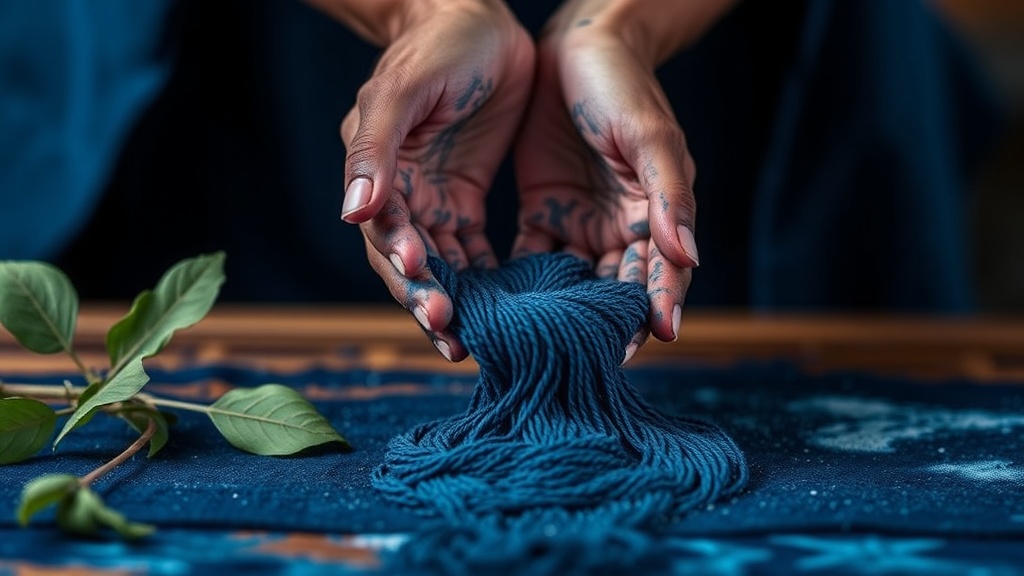
A small batch of organic cotton linens sits in a shallow ceramic vat, looking a dull, yellowish-green. The maker lifts a single piece of fabric out of the liquid, and as the air hits it, the color shifts—vibrant, electric blue appearing right before their eyes. This post covers the science and practice of working with natural indigo dye, specifically focusing on the fermentation process, the chemistry of reduction, and the practical steps for dyeing textiles at home. Understanding these methods allows you to move away from synthetic pigments and embrace a truly ancient, sustainable craft.
Indigo dyeing isn't your typical "boil and dip" dyeing method. Most natural dyes require a mordant—a substance that helps the color stick to the fiber—but indigo is different. It works through a process of oxidation. You're essentially changing the solubility of the pigment so it can penetrate the fiber, then letting oxygen bring the color back to the surface.
What Is an Indigo Vat?
An indigo vat is a specialized liquid solution where the indigo pigment is "reduced," meaning the oxygen has been removed to make the dye soluble in water. Without this reduction, the indigo powder won't bond with your fabric; it would just sit on top as a messy, unattached dust. To create a successful vat, you need a source of indigo, an alkali (like calcium hydroxide), and a reducing agent (like fructose or henna).
There are two main types of vats you'll encounter in the crafting world: the 1-2-3 method and the traditional fermentation vat. The 1-2-3 method is much faster and more predictable for beginners. It uses calcium hydroxide (also known as slaked lime) and fructose to strip the oxygen from the water. If you're looking for a more historical approach, a traditional fermentation vat relies on bacteria to consume the oxygen over several days or even weeks.
I've found that for most home projects, the fructose method is the way to go. It's less temperamental. However, if you want to see the deep history of this craft, you can read more about the history of indigo production on Wikipedia. It’s a fascinating look at how this single pigment shaped global trade for centuries.
The Essential Kit
Before you start, gather these specific items. Don't skimp on the quality of your fabric; synthetic blends often won't take the dye well at all.
- Indigo Powder: Look for high-quality, pure indigo powder (brands like Botanical Colors offer great starting points).
- Reducing Agent: Organic fructose or even henna powder.
- Alkali: Calcium hydroxide (Slaked Lime).
- The Vat Container: A large glass jar or a heavy-duty plastic bucket.
- Textiles: 100% cotton, linen, or silk.
How Do You Make a Fructose Indigo Vat?
You make a fructose indigo vat by dissolving indigo powder in hot water, adding an alkali to raise the pH, and then adding a reducing agent to remove the oxygen. It’s a precise bit of chemistry that requires patience. If your vat looks bright blue and has a "skin" on top, it’s likely too oxygenated. A healthy, working vat should look a deep, translucent yellowish-green.
Follow these steps to get your first batch started:
- Prepare the Indigo Paste: Mix your indigo powder with a small amount of warm water to create a smooth paste. This prevents clumps later.
- Heat the Water: Heat your main vat water (distilled is best) to about 120°F. It doesn't need to be boiling, just warm.
- Add the Alkali: Slowly stir in your calcium hydroxide. This raises the pH level.
- Introduce the Reducer: Add your fructose. This is the part where the magic happens. Stir gently—you don't want to introduce air bubbles.
- The Wait: Let the vat sit for about 30 to 60 minutes. You'll see the color shift from blue to that characteristic yellowish-green.
One thing to keep in mind—and this is a big one—is that you must stir the vat very gently. If you splash the liquid, you're introducing oxygen, which effectively "kills" the vat by turning it back into a standard blue dye. Use a long spoon and move in a slow, circular motion.
The chemistry here is actually quite simple once you get the hang of it. You're creating a reductive environment. In this state, the indigo molecules are "unlocked" and can slide into the microscopic pores of your cotton or silk fibers. Once you pull the fabric out, the oxygen in the air rushes back in, and the pigment becomes trapped inside the fiber. This is why the color appears to change right before your eyes.
Which Fabrics Work Best for Indigo?
Plant-based fibers like cotton, linen, hemp, and cellulose-based silk work best for indigo dyeing. While animal fibers like wool and silk can also take the dye, they are much more sensitive to the high pH levels (alkalinity) required for a successful indigo vat. If you use a highly alkaline vat on wool, you risk damaging the protein structure of the fiber, making it brittle.
| Fabric Type | Dye Absorption | Ease of Use | Notes |
|---|---|---|---|
| 100% Cotton | Excellent | High | The gold standard for beginners. |
| Linen | Very Good | High | Takes color beautifully but can be stiff. |
| Silk | Good | Medium | Watch the pH; silk is delicate. |
| Wool | Great | Low | Requires a very low-pH approach. |
| Polyester Blends | Poor | Very Low | Don't bother; the dye won't stick. |
If you're working with a high-quality item like a Patagonia organic cotton t-shirt, you'll find the results are much more striking than with a cheap, synthetic blend. The purity of the fiber dictates the depth of the blue you can achieve. If the fiber has a lot of synthetic coating or "sizing" from the factory, the indigo will struggle to penetrate.
Make sure to wash your fabrics thoroughly before dyeing. Even if they look clean, factory residues can act as a barrier. A simple pre-wash with a pH-neutral detergent is usually enough to prep your canvas.
How Often Do You Need to Dip the Fabric?
You need to dip the fabric multiple times, usually between 3 to 10 times, to achieve a deep, dark indigo color. A single dip will only result in a pale, washed-out blue. Instead of one long soak, you perform multiple short immersions, allowing the fabric to oxidize between each one.
The process looks like this:
- Submerge the fabric in the vat for 2–5 minutes.
- Remove the fabric and hold it up to the air.
- Wait for the color to change from green to blue (this can take a minute or two).
- Repeat the process.
The more you dip, the deeper the color. If you want a light sky blue, one or two dips might suffice. If you're aiming for that deep, midnight navy, you might be dipping for twenty minutes or more. It's a repetitive process, but it's incredibly satisfying to watch the color build up layer by layer. It's almost like painting with liquid.
Don't be afraid to experiment with the timing. Some people prefer longer dips, while others find that many short dips produce a more even color. If you notice the color is looking blotchy, you might be moving too fast or not stirring the vat enough before the dip. A little patience goes a long way here.
When you're finished, rinse the fabric in a clear, slightly acidic bath (adding a splash of white vinegar to your rinse water helps) to neutralize the pH. This ensures the fabric is soft and won't continue to react with the air. Hang it to dry in a shaded area—direct sunlight can sometimes affect the drying process of natural dyes.
Working with indigo is a lesson in patience and observation. It isn't a "set it and forget it" craft. You have to watch the vat, watch the fabric, and respect the chemistry. But when you pull that piece of linen out of the bucket and see that deep, soulful blue, you'll realize why people have been obsessed with this plant for thousands of years.