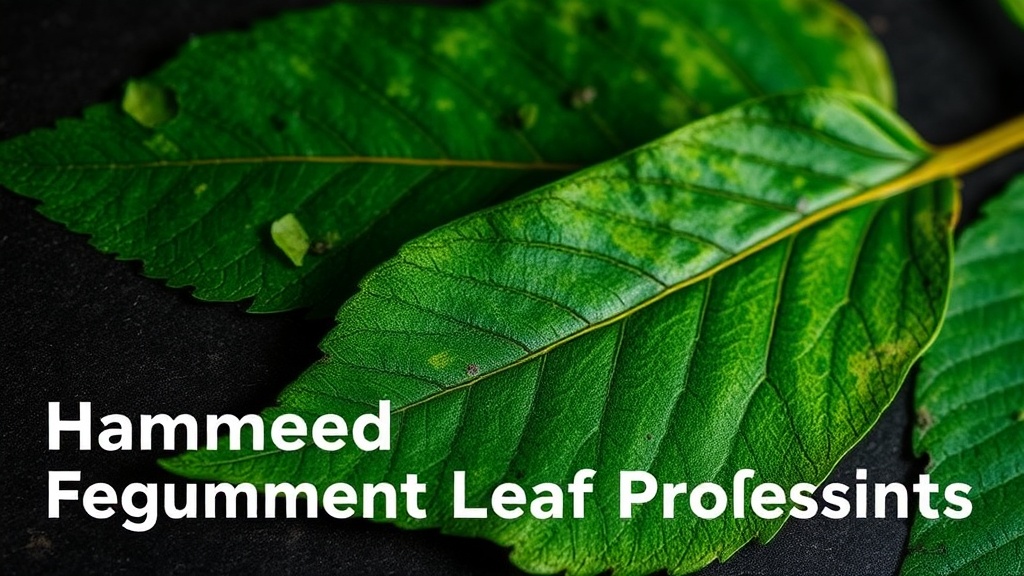
Creating Botanical Prints with Hammered Leaf Impressions

In this guide, you'll learn how to create botanical prints using the hammer-imprint technique, a process that transfers the natural pigments and structural details of plants directly onto fabric or paper. This method, often called "Hapa Zome," relies on physical pressure to release organic dyes. It's a tactile, rewarding way to create one-of-a-kind art using nothing more than local greenery and a bit of force.
What Materials Do You Need for Hammered Botanical Prints?
You need fresh botanical specimens, a heavy-duty hammer or mallet, absorbent fabric or paper, and a flat, hard surface. The quality of your results depends heavily on the freshness of your plants and the texture of your base material.
First, let's talk about the greenery. You can't use dried leaves here—they'll just crumble. You need high-moisture specimens that are still "alive" enough to bleed pigment. Ferns, maple leaves, flower petals (like pansies or marigolds), and even certain colorful clover varieties work beautifully. If you want to experiment with different textures, look for leaves with deep veining. The more structure a leaf has, the better the imprint will look.
For your base, I recommend using natural fibers. Cotton, linen, or silk are the best candidates because they absorb the organic dyes much more effectively than synthetic blends. If you're working with paper, stick to heavy-weight watercolor paper or mulberry paper. A thin piece of paper won't stand up to the striking force required. (I've tried using standard printer paper, and it's a total disaster—it just tears immediately.)
Here is a quick checklist of the supplies you'll want to gather before you start:
- Fresh Botanicals: Leaves, flowers, or herbs with high pigment content.
- A Surface: A wooden cutting board or a sturdy workbench.
- The Striking Tool: A standard claw hammer, a rubber mallet, or even a smooth stone.
- The Base: Cotton fabric, linen, or heavy-weight paper.
- Protection: A piece of parchment paper or a thin cloth to place over the plants to prevent staining your work surface.
If you want to get really technical about the pigments you're working with, you can check out the Wikipedia entry on natural dyes to see how different plant structures hold color. It's fascinating stuff.
How Do You Create a Hammered Leaf Print?
Place your botanical specimen face down on your fabric or paper, cover it with a protective layer, and strike it repeatedly with a hammer until the pigment transfers.
It’s a bit more involved than just hitting a leaf and hoping for the best. You have to be intentional with your strikes. If you hit too hard, you might shred the leaf; if you hit too softly, the color won't transfer. It's a balancing act.
- Preparation: Lay your fabric or paper flat on your hard surface. If you're using fabric, make sure it's taut but not stretched to its breaking point.
- Placement: Lay your plant specimen on the fabric. The "underside" of the leaf (the side with the most prominent veins) should be touching the fabric. This is where the magic happens.
- The Shield: Place a piece of parchment paper or a scrap of old cotton cloth over the plant. This prevents the plant juices from splattering your hammer or your table.
- The Hammering: Using a medium, rhythmic strike, tap across the entire surface of the leaf. Don't just hit the center; you need to hit the edges and the tips to ensure a complete print.
- The Reveal: Carefully lift the parchment paper and the plant. Use tweezers if the leaf is particularly delicate. You'll see the silhouette of the plant left behind in color.
One thing to watch out for is the "bleed." Some plants are incredibly juicy. If you use a very wet leaf, the color might spread beyond the edges of the print, creating a blurry effect. Some people love this for an abstract look, but if you want a crisp outline, keep your strikes quick and precise.
If you're interested in more natural dyeing techniques, you might enjoy my previous post on making magic with natural indigo dyes. It's a different process, but it shares that same connection to botanical chemistry.
Which Plants Produce the Best Colors?
The best plants for this technique are those with high anthocyanin or chlorophyll content, such as bright flower petals, dark green leaves, or colorful berries.
Not all greenery is created equal. A bright green fern will produce a different result than a deep purple hydrangea petal. I’ve found that certain colors are much more "stubborn" than others. For example, yellows and oranges tend to show up beautifully on light fabrics, while greens are great for creating a subtle, ghostly effect on darker materials.
| Plant Type | Color Expectation | Best Use Case |
|---|---|---|
| Ferns/Green Leaves | Soft Green/Yellow | Subtle, textured backgrounds |
| Rose Petals | Pink/Red | Bold, colorful focal points |
| Marigolds | Bright Orange/Yellow | High-contrast designs |
| Purple Pansies | Deep Blue/Purple | Intricate, dark silhouettes |
Worth noting: The color you see in the field isn't always the color that stays on the fabric. Once the plant matter is removed, the pigment can oxidize. A bright red petal might turn a brownish-pink once it dries. To help stabilize the color, some artists use a mordant, but for a simple hobbyist project, just letting it air dry is usually fine.
If you're worried about the longevity of your prints, you can spray the finished product with a professional fabric fixative or a light starch spray. It's not a permanent solution like professional dyeing, but it helps keep the fibers from feeling too stiff.
I often get asked if you can use this technique on different mediums. You certainly can. While I usually stick to fabric or paper, the principle of physical pigment transfer is universal. You could even try it on heavy cardstock for greeting cards. If you've already mastered fabric art, you might want to look into upcycled mason jar crafts to create displays for your botanical art.
One thing I've learned through trial and error: always test a single leaf before committing to a full design. You don't want to spend twenty minutes hammering away only to realize your "vibrant" leaf is actually quite dull once it hits the cloth. It's better to know the color potential upfront.
The catch? This isn't a "set it and forget it" craft. It's physically demanding. If you're doing a large piece of fabric, your arm is going to get tired. I recommend breaking your work into sections—do one leaf, check it, then move to the next. It keeps the process from becoming a chore and ensures you don't lose focus on the precision of your strikes.
If you're looking for a way to bring a bit of the outdoors inside, this is it. There's something incredibly satisfying about seeing the intricate veins of a leaf captured in a single, colorful imprint. It's a direct, unmediated connection to the natural world.
Steps
- 1
Gather Fresh Foliage
- 2
Prepare Your Surface
- 3
Position the Leaves
- 4
Hammer the Pigment
- 5
Reveal the Detail